
A recent study examined data from 1,309 children under the age of 12 who had doctor-diagnosed food allergies. The aim was to explore how eczema (atopic dermatitis)—particularly when it begins—influences food allergy outcomes.
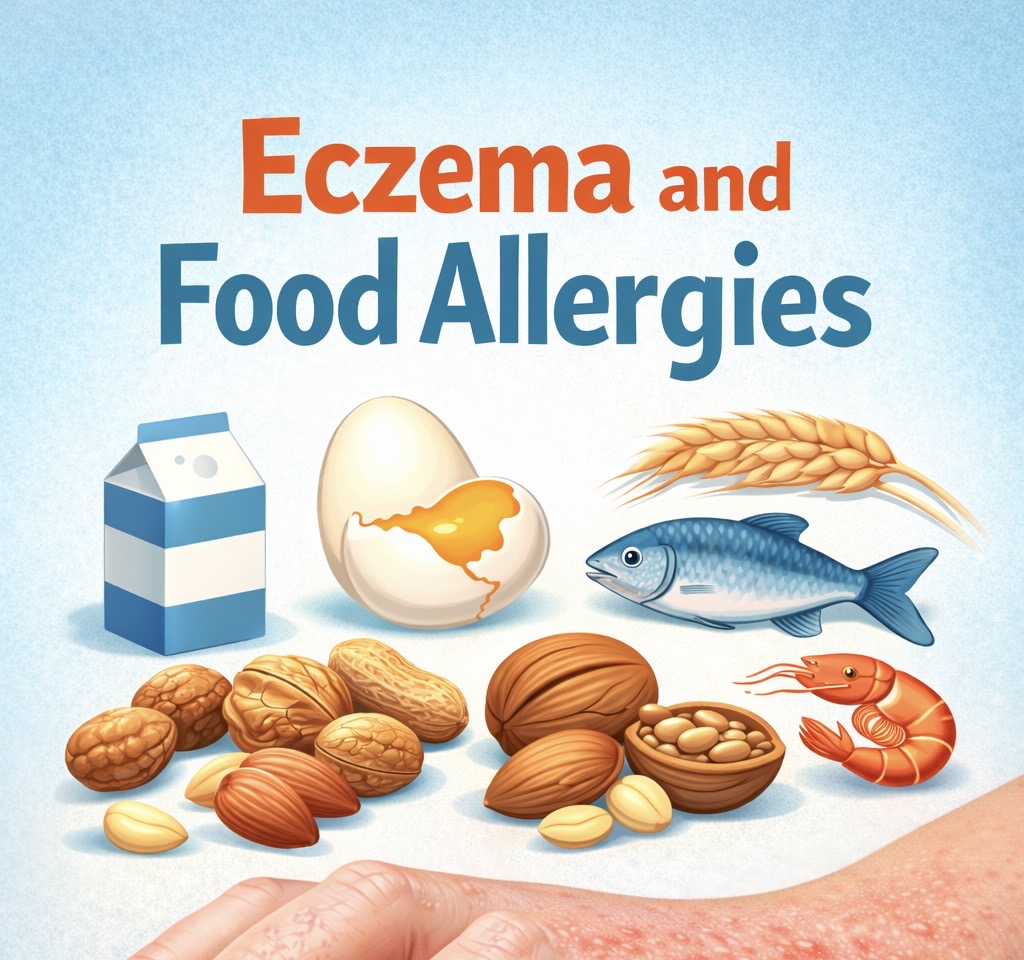
The findings showed that 77% of children with food allergies had a history of eczema, and more than 80% developed eczema within their first year of life. Importantly, the study found that the earlier eczema started, the greater the likelihood of having multiple food allergies. Children whose eczema began after 12 months of age had 43% lower odds of developing multiple food allergies compared with those whose eczema started between 1 and 3 months of age. Early-onset eczema was also strongly associated with allergies to cow’s milk and egg.
In contrast, a different pattern was observed for respiratory allergies. Children who developed eczema later in life (after 12 months) were significantly more likely to go on to develop asthma and allergic rhinitis.
The researchers concluded that early-onset eczema is a distinct risk factor for multiple food allergies, particularly to milk and egg. As a result, the age at which eczema first appears may serve as an important clinical indicator, helping clinicians identify children who could benefit from early allergy assessment, closer follow-up, and evidence-based food allergy prevention strategies.
Reference: Hussien H, Moore DL, Nimri S, et al. The age of eczema onset and multiple food allergies. Ann Allergy Asthma Immunol. Published online December 3, 2025. doi:10.1016/j.anai.2025.12.001
